- (Ptesi. - Cum 08:00 - 18:00) (Ctesi 08:00 - 15:00)
- +90 462 227 6100
- [email protected]

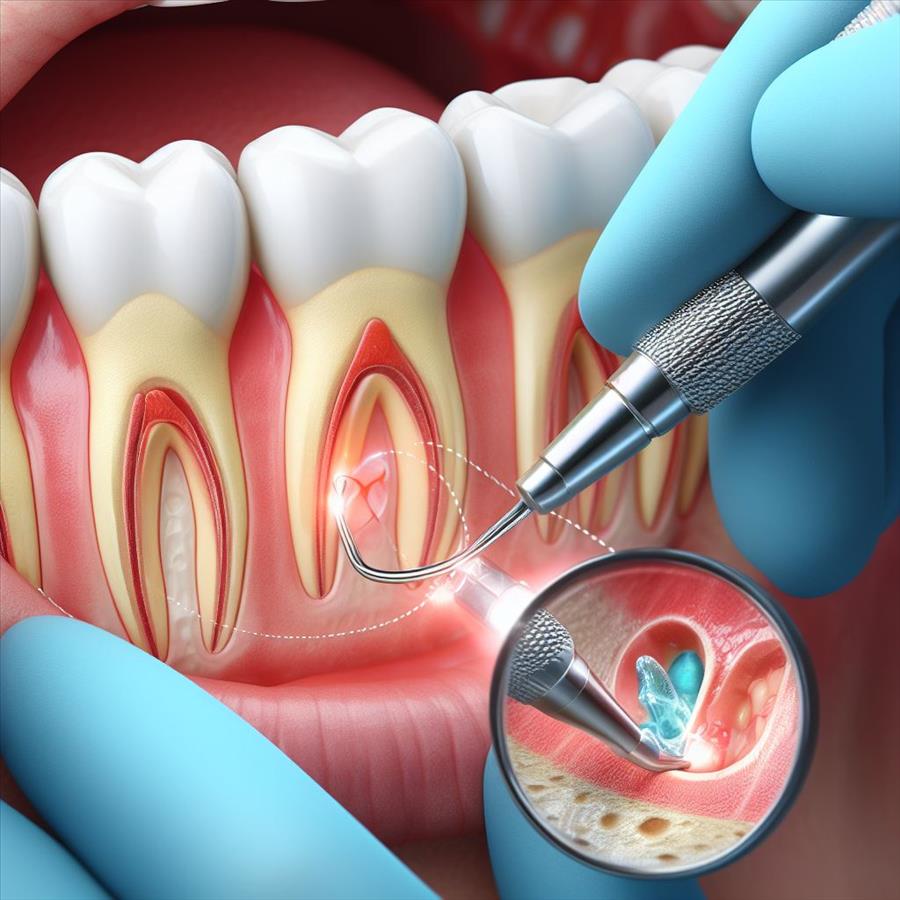
İlerlemiş çürük veya travma nedeniyle enfekte olan diş sinirlerinin temizlenerek doğal dişin ağızda tutulmasını sağlayan koruyucu bir tedavi yöntemidir.
Doğal bir dişi korumak ve işlevsel olarak ağızda tutmak, modern diş hekimliğinin öncelikli amaçlarından biridir. Dişin en dış katmanını oluşturan mine ve dentin dokuları, derin çürükler veya ani travmalar nedeniyle zarar gördüğünde, iç kısımdaki hassas dokular mikroorganizmaların istilasına açık hale gelir. Bu durum mikrobiyal hasarın derinleşmesine ve dişin merkezindeki canlı yapının fonksiyonunu kaybetmesine yol açar. Diş çekimine alternatif olarak geliştirilen endodontik müdahaleler, hasarlı bölgeyi mikroplardan arındırarak çene kemiğinin bütünlüğünü korumayı ve dişi uzun yıllar sağlıklı bir şekilde ağızda tutmayı amaçlar.
Dişin gözle görünen sert kısımlarının altında pulpa adı verilen; damar, sinir ve bağ dokusundan zengin bir merkez bulunur. Bakteriler bu korunaklı odaya ulaştığında, dokularda geri dönüşü olmayan bir iltihabi süreç tetiklenir. İltihaplı pulpa dokusu zamanında uzaklaştırılmadığında, enfeksiyon kök ucundaki küçük kanallardan sızarak çevre kemik dokusuna yayılabilir. Bu durum kemik yıkımına, apse oluşumuna ve şiddetli çiğneme ağrılarına yol açar. Akçadent Diş Polikliniği klinik uygulamalarında, mikroorganizmaların çene kemiğine ulaşması engellenerek doku dostu yöntemlerle biyolojik koruma sağlanır.
Modern teknolojik altyapı sayesinde kanal tedavisi prosedürleri, lokal anestezi altında tamamen ağrısız ve hastanın konforu maksimum düzeyde tutularak gerçekleştirilir. İşlem esnasında izlenen temel aşamalar ve klinik hassasiyetler şunlardır:
Kanal tedavisi tamamlanan bir diş, besleyici damar ağından mahrum kaldığı için zaman içinde esnekliğini kaybedebilir ve normal dişlere oranla daha kırılgan bir yapıya bürünebilir. Bu nedenle arındırma işlemi sonrasında dişin üzerine uygulanacak restorasyonun türü, tedavinin uzun ömürlü olması açısından hayati önem taşır. Eğer dişteki madde kaybı az ise estetik kompozit dolgular fonksiyonu geri kazandırmak için yeterlidir. Ancak aşırı doku kaybı mevcutsa, çiğneme esnasında oluşacak dikey kuvvetlerin dişi çatlatmasını önlemek amacıyla porselen kronlar (kaplamalar) veya bilgisayar destekli üretilen inley/onley restorasyonlar tercih edilir.
İşlem bittikten sonraki ilk birkaç gün, özellikle çiğneme esnasında dişte hafif bir hassasiyet, üzerine basamama veya sızı hissinin oluşması, çevre dokuların biyolojik iyileşme reaksiyonu nedeniyle tamamen normal kabul edilir. Kanal tedavisi yapılan dişin üst dolgusu veya kaplaması tamamen bitene kadar, o bölgeyle sert, kabuklu veya yapışkan gıdaların çiğnenmesinden kesinlikle kaçınılmalıdır. Akçadent Diş Polikliniği olarak hastalarımıza önerdiğimiz günlük ağız hijyeni rutinlerinin (doğru fırçalama ve diş ipi kullanımı) aksatılmadan sürdürülmesi, kök çevresindeki destek dokuların adaptasyon sürecini hızlandırarak dişin ömrünü maksimuma çıkaracaktır.
Başarılı bir kanal tedavisinden sonraki ilk birkaç gün hafif bir hassasiyet yaşanması normaldir. Ancak uzun süre sonra başlayan ağrılar, kök kanallarında gözden kaçmış ekstra bir kanalın varlığına, mikroskobik sızıntılara, dişte oluşan yeni bir çatlağa veya kök ucunda gelişen tekrarlayan enfeksiyonlara işaret edebilir. Bu durumlarda tedavinin yenilenmesi gerekir.
Evet, kanal tedavisi sırasında dişin "pulpa" adı verilen canlı damar ve sinir paketi tamamen temizlenir. Sinirleri alınan diş ağrı, sıcak veya soğuk gibi dış uyaranları hissetme yeteneğini kaybeder. Ancak diş, çene kemiği ve çevre dokularla olan bağları sayesinde ağız içinde fonksiyon görmeye ve çiğneme kuvvetlerini karşılamaya aktif olarak devam eder.
Kanal tedavisi gören dişler, hem öncesindeki derin çürüklerin yol açtığı madde kaybı hem de besleyici damarlarını kaybettiği için zamanla daha kırılgan ve cansız bir yapıya bürünür. Dişin kuruyarak esnekliğini kaybetmesi, dikey kırılma riskini artırır. Bu riski önlemek ve diş bütünlüğünü korumak için genellikle sadece dolgu yapmak yerine porselen kuron veya fiber post uygulamaları tercih edilir.
Enfeksiyonu derinleşmiş bir diş için kanal tedavisinin tek alternatifi dişin çekilmesidir. Ancak modern diş hekimliğinde temel amaç, doğal dişi ne pahasına olursa olsun ağızda tutmaktır. Diş çekildiğinde oluşan boşluk; komşu dişlerin kaymasına, çiğneme düzeninin bozulmasına ve kemik erimesine yol açar. Bu boşluğu doldurmak için köprü veya implant gibi daha maliyetli ve protetik tedaviler gerekir.