- (Mon. - Fri 08:00 - 18:00) (Sat 08:00 - 15:00)
- +90 462 227 6100
- [email protected]

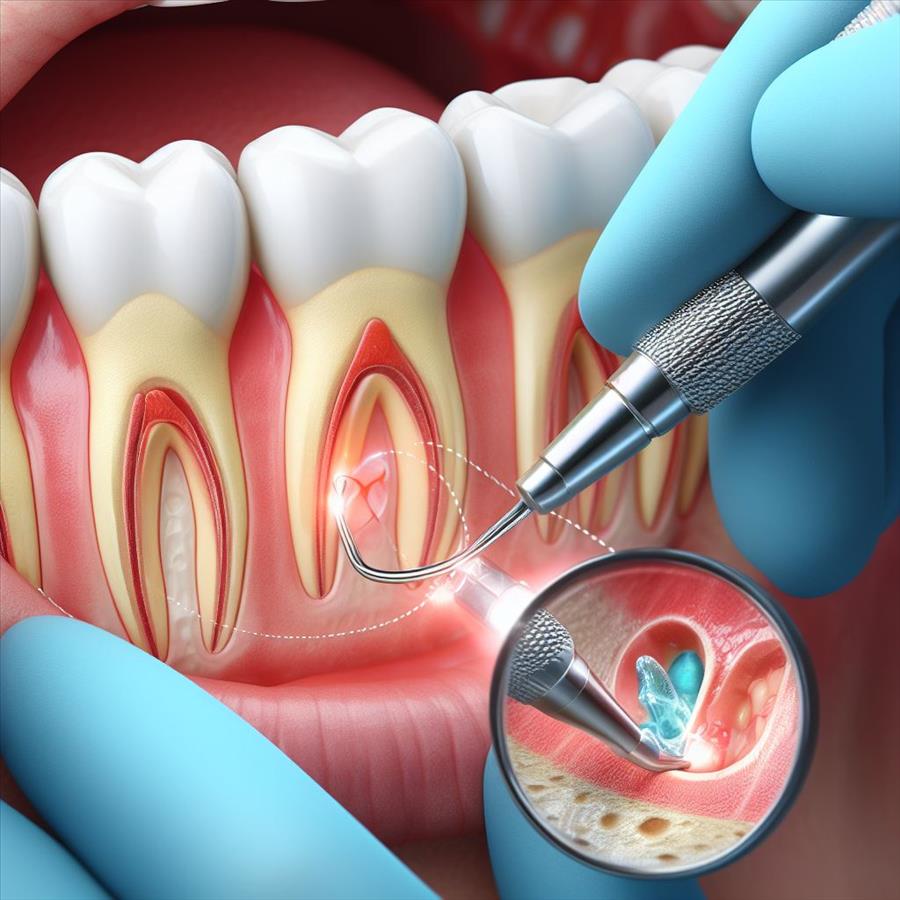
A protective endodontic procedure aimed at saving a severely decayed or infected tooth by thoroughly removing inflamed pulp tissue and sealing the root canals.
Preserving a natural tooth and maintaining its functional role within the dental arch is the core philosophy of modern conservative dentistry. When the outer protective layers of a tooth, namely the enamel and dentin, are compromised due to deep decay, cracks, or trauma, the inner vital tissue becomes vulnerable to microbial invasion. This bacterial breach triggers inflammatory changes that can eventually lead to irreversible tissue damage. Rather than resorting to premature tooth extraction, endodontic intervention acts as a biological shield, eliminating infection from within the root system to keep your natural tooth soundly in place for years to come.
Deep within the hard, visible structures of the tooth lies a specialized chamber housing the pulp—a delicate web of nerves, blood vessels, and connective tissue. When bacteria breach this chamber, the ensuing inflammatory response creates severe internal pressure, often causing intense discomfort. If left untreated, this localized infection can advance past the root tip, spreading into the surrounding jawbone to form painful abscesses and initiate bone loss. At Akçadent Oral and Dental Health Polyclinic, our clinical approach focuses on intercepting this pathological spread early, rendering the root canal space completely sterile before the infection can jeopardize the underlying bone architecture.
Leveraging advanced endodontic technologies, root canal therapy is performed under profound local anesthesia, making the entire procedure entirely painless and highly comfortable for the patient. The therapeutic workflow relies on precise technical steps to ensure clinical success:
Once a tooth undergoes endodontic therapy, it no longer receives its natural internal nutrient and moisture supply through blood vessels. Consequently, the remaining tooth structure can become brittle over time and more susceptible to vertical fractures under heavy chewing loads. Because of this physiological change, selecting the correct post-treatment coronal restoration is vital. While conservative composite resins are perfectly adequate for teeth with minimal structural loss, teeth with extensive decay require sturdier solutions. Protecting heavily compromised posterior teeth with full porcelain crowns or custom-milled computer-aided inlays and onleys distributes occluding forces evenly, preventing structural failure.
Following the completion of the procedure, experiencing mild tenderness, a dull ache, or a transient biting sensitivity for the first few days is a completely normal biological healing response from the surrounding periodontal ligaments. Until the definitive coronal restoration, such as a permanent filling or crown, is fully placed over the treated tooth, patients must strictly avoid chewing hard, crunchy, or sticky foods on that side of the mouth. Maintaining rigid daily oral hygiene practices, including careful brushing and meticulous flossing around the healing area, will accelerate tissue recovery and safeguard the functional lifespan of your restored natural tooth.
While mild sensitivity is expected for a few days post-treatment, delayed pain often indicates an undetected extra root canal, microscopic microleakage around the restoration, a newly formed vertical fracture, or a recurrent infection at the root apex. In these clinical scenarios, endodontic retreatment is required to save the tooth.
Yes, during the procedure, the vital neurovascular bundle known as the dental pulp is entirely extirpated from the pulp chamber and root canals. Consequently, the tooth loses its sensory function to external stimuli such as thermal changes or deep decay. However, it remains firmly anchored to the surrounding alveolar bone via the periodontal ligament, allowing it to function normally during mastication.
Teeth undergoing root canal therapy become brittle over time due to extensive structural loss from previous deep caries and the absence of internal blood supply. This loss of moisture and elasticity increases the risk of vertical or horizontal fractures under occlusal forces. To prevent structural failure, restoring the tooth with custom prosthetic crowns or fiber-reinforced posts is highly recommended over simple dental fillings.
The only definitive alternative to root canal therapy for a severely infected pulp is dental extraction. However, modern dentistry prioritizes preserving the natural dentition whenever clinically viable. Extracting a tooth creates an edentulous space that can lead to adjacent tooth migration, malocclusion, and localized alveolar bone resorption, eventually requiring more complex prosthetic solutions like dental implants or fixed bridges.