- (Mon. - Fri 08:00 - 18:00) (Sat 08:00 - 15:00)
- +90 462 227 6100
- [email protected]

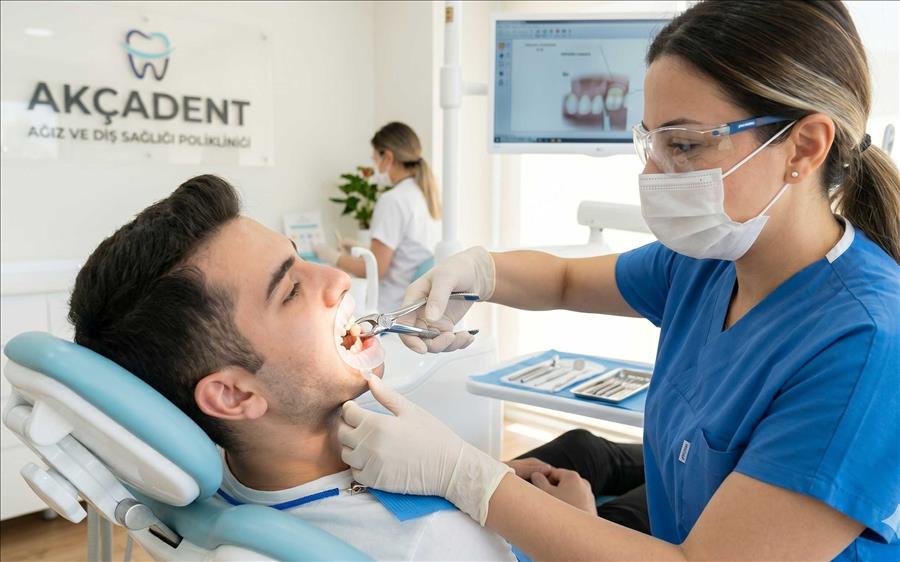
Tooth extraction safely removes unrestorable teeth for your comfort and oral health. Discover the procedure, recovery steps, and post-extraction care.
While preserving the natural tooth structure is the primary priority of modern dentistry, there are certain situations where removing a tooth becomes the most accurate solution to protect overall oral health. Teeth that are severely decayed, have lost their structural support, or damage surrounding tissues have completed their functional lifespan, directly impacting the future of other healthy teeth in the mouth. Controlled interventions performed in such cases eliminate the source of pain and infection, allowing the oral flora to rebalance.
The decision to extract a tooth is made only after detailed clinical and radiological examinations. Teeth that have suffered such extensive material loss that they cannot be saved with root canal therapy or restorative applications are among the most common reasons for this procedure. In addition, deep fractures extending below the gum line, chronic advanced periodontal diseases causing widespread jawbone destruction, and creating space in the dental arch during orthodontic treatment phases are other indications. The expert team at Akçadent Oral and Dental Health Clinic proceeds to the extraction phase by prioritizing patient comfort only after exhausting all alternative treatments aimed at saving the tooth.
Thanks to developing anesthesia techniques and minimal invasive approaches, this procedure has transformed into a highly comfortable experience for patients today. Before the intervention, the relevant area is completely numbed, preventing the patient from feeling any pain during the process. Using specialized hand instruments, minimum pressure is applied to the surrounding bone and soft tissues to separate the tooth from its socket. This precise approach applied at Akçadent directly contributes to a much faster, more comfortable, and trouble-free recovery period after the operation.
For healthy tissue repair to begin in the area after the procedure, it is of great importance for the patient to fully comply with the dentist's recommendations. The essential points to consider following the intervention include:
IMPORTANT MEDICAL WARNING: Mild ache and leakage-type bleeding after the procedure are normal; however, if severe, unstoppable bleeding or intense pain reflecting towards the ear (alveolitis) develops suddenly days later, you must contact your dentist without delay.
The loss of a single tooth completely alters the dynamics within the mouth. Leaving the extraction space open for a long time causes neighboring teeth to drift into this gap and the opposing tooth to elongate. This situation can lead to bite alignment issues, disrupt chewing functions, and cause temporomandibular joint problems over time. Therefore, planning the restoration of the area with modern prosthetic solutions such as implants or bridges after the recovery process is completed is a vital step in maintaining the anatomical balance of the mouth and jaw structure.
It is normal to have minor oozing for the first few hours. Biting firmly on the gauze pad placed by your dentist for at least 30-45 minutes helps a blood clot form. Avoiding spitting or rinsing for the first 24 hours is critical to protect this clot.
The soft tissue over the extraction site typically heals and closes within 1 to 2 weeks. However, it takes about 3 to 6 months for the underlying bone structure inside the socket to fully remodel and fill with new bone.
Mild discomfort and soreness are expected for the first few days and can be managed with prescribed pain relievers. However, if a throbbing, severe pain starts 2 to 3 days post-extraction, the clot may have dislodged, causing a condition called dry socket. You should contact your dentist immediately.
You should avoid eating anything until the numbness completely wears off to prevent accidentally biting your tongue or cheek. Afterward, stick to soft, cool, or lukewarm foods for the first day, avoiding crunchy, hot, or acidic items. Always chew on the opposite side of your mouth.
Unless it is a wisdom tooth, the empty space should be filled to prevent adjacent teeth from shifting and to stop jawbone loss. Planning an implant or a bridge at the right time ensures the preservation of the surrounding bone and dental alignment.
The ideal timeframe is usually 2 to 3 months after the extraction, allowing the bone to heal sufficiently. In some cases, if the site is free of infection and there is enough bone support, an implant can be placed during the exact same appointment as the extraction.