- (Mon. - Fri 08:00 - 18:00) (Sat 08:00 - 15:00)
- +90 462 227 6100
- [email protected]

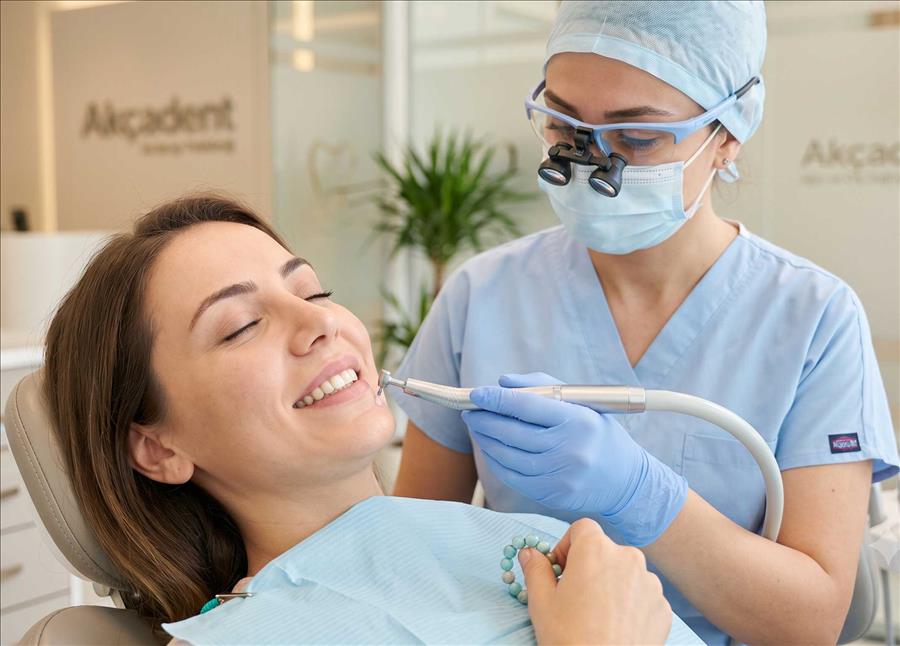
A clinical guide on preventing gum bleeding, recession, and periodontitis, focusing on advanced periodontal therapies to protect and preserve supportive bone structures.
A healthy smile relies just as much on a resilient, well-balanced supporting foundation as it does on the teeth themselves. Frequently overlooked yet remaining one of the primary causes of adult tooth loss, periodontal complications can quietly progress to damage underlying bone tissue before noticeable pain occurs. Gum disease treatment focuses on re-establishing oral biological equilibrium and preserving the anatomical integrity of the tissues that anchor your teeth. Identifying early structural tissue irregularities allows for successful management without the need for complex surgical procedures.
The oral environment hosts a dynamic and continuous microbial ecosystem. When food debris is not consistently removed, it hardens over time at the gumline, developing into bacterial plaque. When this accumulation combines with minerals in saliva, it calcifies into dental calculus, requiring professional scaling. The chronic irritation resulting from tartar buildup is not merely a localized dental issue; it can directly impact systemic health. Clinical data indicates that advanced gum inflammation correlates with an increased risk of cardiovascular concerns, poorly controlled blood sugar levels, and other systemic inflammatory responses. Managing these processes is vital for overall systemic wellness, far exceeding a basic aesthetic concern.
Treatment protocols vary significantly based on the degree of structural damage and anatomical attachment loss. At Akçadent Oral and Dental Health Clinic, we analyze the depth of the infection thoroughly to implement a highly tailored clinical strategy:
Healthy periodontal tissue is characterized by a firm, stippled, pale pink appearance that snugly hugs the neck of each tooth. Once this seal compromises, mechanical intervention becomes necessary to disrupt subgingival bacterial biofilm. Utilizing ultrasonic scalers and specialized periodontal instruments, root surface debridement smoothes out microscopic roughness where bacteria thrive. At Akçadent Oral and Dental Health Clinic, our focus extends beyond active scaling to monitoring tissue biocompatibility and healing rates during post-operative phases. Minor, transient sensitivity for a few days following deep cleaning is expected as the tissues begin to tighten and heal.
Important Clinical Note: Bleeding gums are a primary indicator of active localized infection; avoiding brushing in bleeding areas accelerates plaque accumulation, allowing the disease to penetrate deeper supporting structures.
The long-term success of periodontal treatment depends heavily on the patient's daily oral care routine alongside clinical interventions. Stabilized periodontal tissues remain susceptible to re-infection if plaque control is neglected. Utilizing interdental brushes and dental floss is essential to keep anatomical blind spots clean where standard toothbrushes cannot reach. Routine periodontal maintenance visits at least twice a year are vital to monitor pocket depths, prevent bacterial recolonization, and halt insidious bone resorption before it jeopardizes tooth stability.
Bleeding during tooth brushing or consuming hard foods is usually an early sign of gingivitis, the initial stage of periodontal disease. However, incorrect brushing techniques or improper use of dental floss can also trigger bleeding. If the bleeding becomes persistent, it may indicate that the underlying bone support is beginning to suffer damage, which strictly requires a professional examination by a dentist.
Contrary to the popular belief that teeth scaling or cleaning wears down the enamel, this professional procedure is completely harmless. The ultrasonic devices used in the treatment gently remove hardened bacterial plaque and tartar without affecting the natural tooth structure. If tartar is left untreated, it leads to gum recession and subsequent tooth loss, making regular cleaning vital for protecting periodontal health.
Standard dental cleaning (scaling) only involves removing visible tartar and plaque that accumulate above the gumline. Root planing (deep cleaning), on the other hand, is required when the infection progresses deeper into the periodontal pockets, reaching the root surfaces. Performed under local anesthesia, this procedure involves scraping away infected tissue and deep tartar with specialized instruments, allowing the gums to reattach healthily to the clean root surfaces.
Gums that have receded due to periodontal disease or aggressive brushing cannot naturally grow back to their original level through non-surgical treatments. Procedures like root planing and scaling are designed to halt the progression of the recession and restore the health of the remaining tissue. In cases of advanced aesthetic or functional loss, micro-surgical methods such as gum grafting, where tissue is transferred from another part of the mouth, can be performed to cover the exposed areas.
The mouth serves as a gateway to the rest of the body, meaning that pathogenic bacteria multiplying in the gums do not remain isolated. In untreated chronic periodontitis cases, these harmful bacteria can enter the bloodstream and threaten systemic health. Medical research indicates that chronic gum infections can make it harder to control blood sugar levels in diabetes, increase the risk of cardiovascular diseases, and even trigger premature birth in pregnant women.