- (Mon. - Fri 08:00 - 18:00) (Sat 08:00 - 15:00)
- +90 462 227 6100
- [email protected]

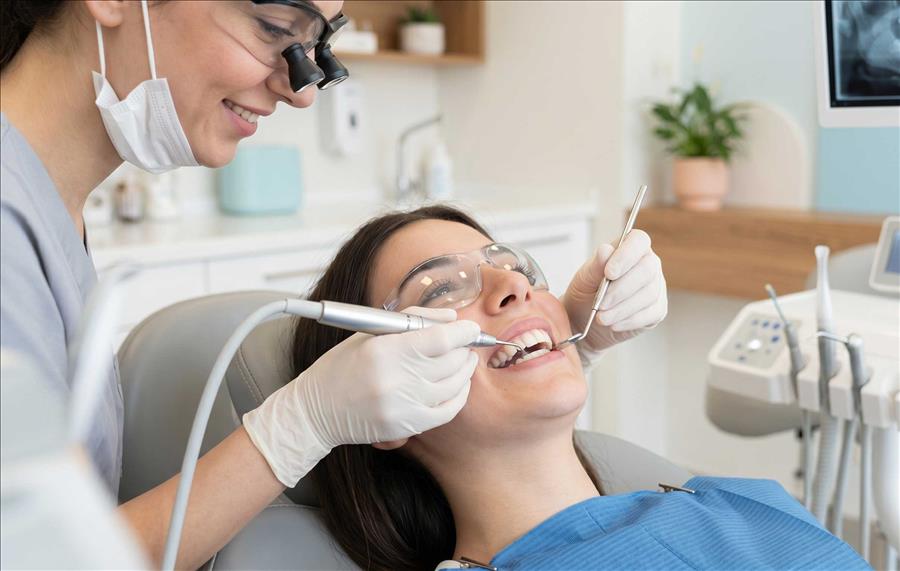
Safe removal of hardened tartar and bacterial plaque deposits to alleviate gum inflammation and proactively prevent the progression of periodontitis.
Maintaining sustainable oral and dental health requires routine clinical evaluations that extend far beyond daily brushing and flossing habits. Throughout the day, food debris combined with minerals naturally present in saliva leads to the formation of a transparent, sticky film on tooth surfaces known as microbial dental plaque. If this soft plaque is not thoroughly eliminated through regular oral hygiene, it undergoes calcification over time, hardening into dental calculus (tartar). Once formed, these rigid deposits cannot be removed mechanically at home, setting a dangerous baseline for chronic gum inflammation.
Due to their highly porous micro-structure, dental stones act as an ideal habitat for harmful bacteria to anchor, colonize, and multiply. Positioned heavily along the delicate boundary where the teeth meet the gingival margin, these calcified structures continuously secrete toxins that cause gum tissues to recede and lose their natural defense mechanisms. Teeth scaling (detartrage) is the precise clinical process of removing these stubborn, mineralized accumulations using advanced ultrasonic devices and specialized periodontal hand instruments without compromising the anatomical integrity of the tooth enamel. Ultrasonic detartrage is fundamentally a protective medical intervention aimed at preserving the biological stability of intraoral tissues rather than a merely cosmetic cleaning.
Neglected tartar build-up directly triggers gingivitis, which represents the initial stage of periodontal disease. Symptoms such as persistent redness, localized swelling, and bleeding—especially during routine brushing—serve as definitive biological warning signs that the surrounding tissues are under stress. At Akcadent Dental Clinic, our primary objective during routine examinations is to diagnose these early manifestations before the inflammation spreads into deeper supporting structures. If left untreated, the subgingival tartar can induce advanced inflammation that migrates toward the alveolar bone, leading to irreversible bone resorption and eventually causing teeth to loosen and fall out (periodontitis). Professional scaling stands as the most definitive clinical way to break this destructive chain of disease.
Following a thorough professional scaling procedure, the delicate oral ecosystem requires a brief period to adapt and re-establish its biological equilibrium. Experiencing mild tooth sensitivity to thermal changes for a few days after the treatment is entirely normal from a physiological standpoint. This temporary sensation occurs because previously shielded root surfaces are suddenly exposed to the oral environment after the thick covering of calculus is safely removed.
CRITICAL MEDICAL WARNING: The common public misconception that teeth scaling thins out the protective dental enamel or loosens the teeth is biologically incorrect. In reality, uncleaned tartar deposits do not hold the teeth together; instead, they silently dissolve the underlying supportive bone structure beneath the surface. Modern detartrage protocols executed at Akcadent Dental Clinic specifically target external bacterial accumulations without causing any structural micro-damage to the natural tooth, allowing the rejuvenated gum tissues to firmly clasp the clean root surfaces once again.
The scaling procedure performed using ultrasonic devices and specialized hand instruments only removes hardened tartar and bacterial plaque adhered to the tooth surface. When applied with the correct technique, it does not harm or abrade the tooth's natural protective enamel layer in any way.
The gaps felt after the procedure are not newly formed. Tartar deposits conceal these areas by filling them like a mold over time due to progressive gum recession. When the tartar is removed, the true anatomical gaps caused by previously lost tissues are simply uncovered.
When the thick layer of tartar completely enveloping the teeth is eliminated, the underlying root surfaces come into direct contact with the oral environment. This can lead to temporary sensitivity, especially with hot and cold foods, during the first few days. As the tissues heal, this sensitivity subsides naturally.
Since salivary composition, dietary habits, and personal oral care vary from person to person, the rate of tartar accumulation differs. As a general clinical approach, regular dental check-ups and scaling, if necessary, are recommended every 6 months to prevent periodontal diseases such as gingivitis and periodontitis.
It is biologically impossible to completely halt tartar formation because bacterial plaque accumulation restarts on cleaned surfaces. However, the hardening of plaque into tartar can be significantly prevented through proper brushing techniques, regular use of interdental brushes, and dental flossing.