- (Mon. - Fri 08:00 - 18:00) (Sat 08:00 - 15:00)
- +90 462 227 6100
- [email protected]

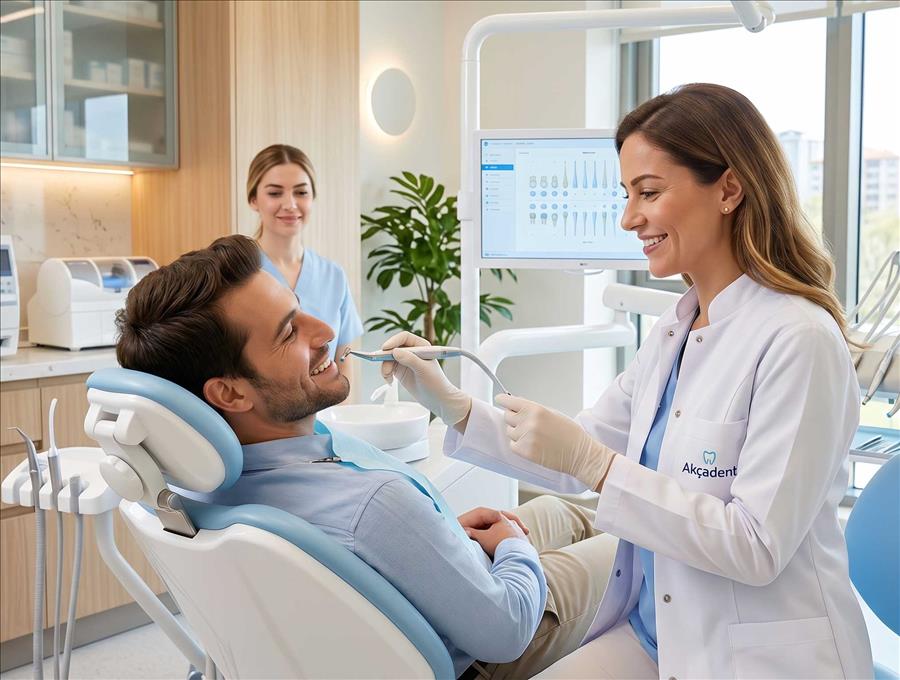
Discover modern dental filling methods, biocompatible materials, and advanced restorative techniques designed to stop decay and preserve natural tooth structure.
Demineralization of dental hard tissues, commonly referred to as tooth decay, remains one of the most prevalent challenges in oral health. When decay is detected early, removing the compromised structure and restoring the cavity with biocompatible materials is essential to safeguard tooth vitality and preserve masticatory function. Modern dentistry prioritizes innovative restorative approaches that meticulously replicate the natural anatomy, strength, and aesthetics of human teeth.
When left untreated, dental caries can advance through the enamel and dentin, eventually reaching the dental pulp—the vital vascular-nerve complex of the tooth. This progression often necessitates complex root canal therapies or, in severe cases, tooth extractions. At Akçadent Oral and Dental Health Polyclinic, our restorative strategies focus on minimally invasive procedures designed to preserve as much natural tooth structure as possible. Thanks to advancements in dental material science, traditional amalgam options have largely been replaced by modern composite (tooth-colored) fillings, which bond chemically to the dental enamel and blend seamlessly with your natural smile.
The choice of restorative material is carefully determined by our clinicians based on the patient's oral environment, the depth of the cavity, and the functional load the tooth must endure during chewing. The most reliable and frequently utilized restorative materials in modern practice include:
Following the placement of the filling, the occlusion and anatomical form are precisely adjusted by the dentist to ensure a comfortable and natural bite. It is a critical clinical directive that patients avoid consuming any food or hot beverages until the local anesthesia has completely worn off, minimizing the risk of accidental soft tissue trauma to the tongue, lips, or cheeks. Modern composite restorations achieve full structural strength immediately upon light-curing, allowing patients to resume their daily routines without prolonged downtime.
The clinical lifespan of a high-quality dental filling depends significantly on the patient’s subsequent oral hygiene regimen. Restored teeth require the same meticulous care as natural teeth, including thorough brushing twice a day and daily interdental cleaning with dental floss. For objective, expert guidance on biocompatible filling options and personalized treatment planning tailored to your oral health requirements, you are welcome to contact our clinic at your convenience.
Composite fillings are highly resistant to discoloration due to their smooth, micro-particulate surface structure. However, immediately after the procedure, consuming heavily pigmented substances like tea, coffee, tomato sauce, berries, or tobacco products can alter the surface texture and compromise the aesthetic outcome. In the long term, maintaining proper oral hygiene and visiting your dentist for regular polishing updates will successfully keep the restoration looking as bright as day one.
When applied according to advanced clinical standards, composite and aesthetic fillings generally boast a lifespan ranging from 5 to 10 years, depending on the quality of the biocompatible materials and the patient's daily oral hygiene routine. Functional disorders such as teeth grinding (bruxism), structural trauma from biting exceptionally hard foods, and neglected home care can decrease this duration. Regular dental evaluations ensure that filling margins remain sealed, effectively preventing microscopic leakage and extending the life of the restoration.
Following the treatment of deep cavities where decay has progressed close to the vascular dental pulp, experiencing mild thermal sensitivity for a few weeks is considered clinically normal. This response indicates that the nerve tissue is actively forming a protective secondary dentin layer to insulate itself. However, if this sensitivity intensifies over time instead of dissipating, transforms into a throbbing ache, or triggers spontaneously during the night, the tooth may require root canal therapy.
Old gray amalgam restorations that present aesthetic concerns, deteriorated marginal integrity, or secondary decay underneath can be safely replaced with modern composite or porcelain-based aesthetic fillings at our clinic. To ensure complete patient safety during removal, rubber dams and heavy-duty high-volume evacuation systems are deployed to completely isolate and capture any mercury vapor. This methodology preserves the structural biomechanics of the tooth while delivering a seamless, natural, tooth-colored restoration.