- (Mon. - Fri 08:00 - 18:00) (Sat 08:00 - 15:00)
- +90 462 227 6100
- [email protected]

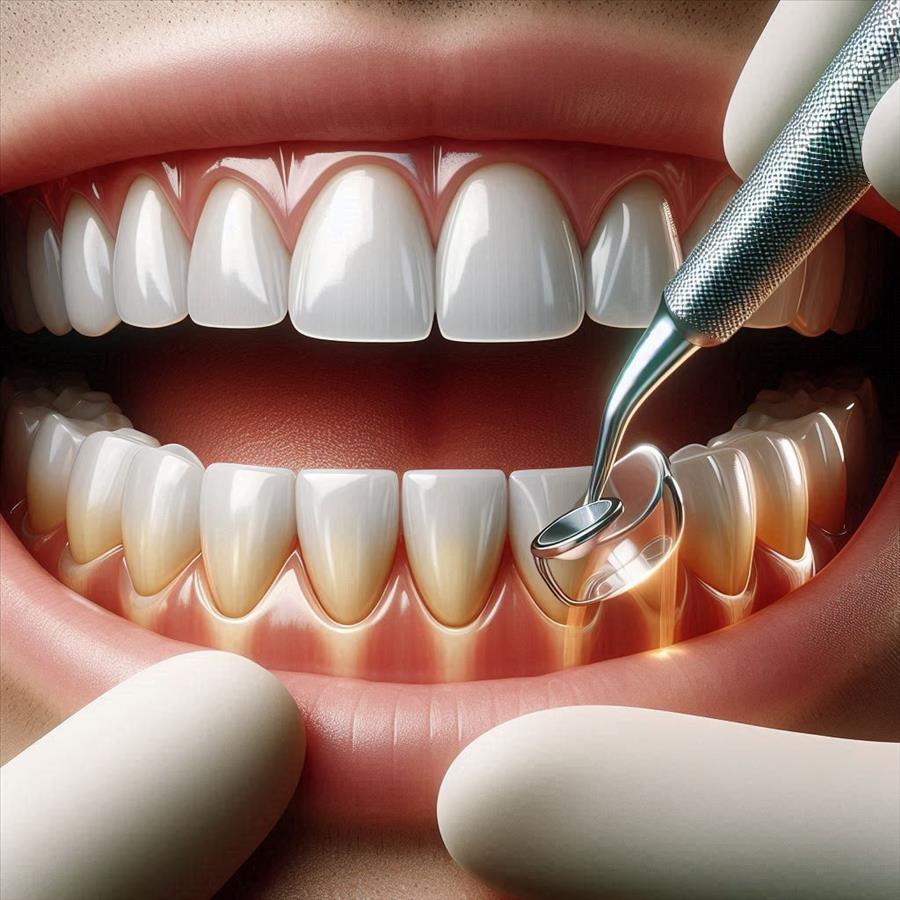
Achieve your dream aesthetic transformation with minimal intervention to your natural teeth. Step into a flawless, symmetrical smile with custom laminate veneers.
Laminate veneers, often referred to as porcelain laminates, are ultra-thin ceramic structures with exceptionally high light-transmitting properties designed to correct aesthetic imperfections on the front teeth. Applied exclusively to the anterior surfaces, this technique relies on the principle of removing minimal tooth structure or, in select cases, requiring no preparation at all (no-prep). Spaces between teeth (diastemas), permanent discolorations, mild crowding, or structural irregularities can be completely transformed into a natural look using these microscopically thin porcelain shells. Providing excellent biocompatibility with surrounding oral tissues, this material features a glazed surface that remains highly resistant to future staining.
The clinical success of porcelain laminates depends entirely on personalized planning executed at the micron level. During the initial consultation, the patient's facial features, lip dynamics, and smile line are evaluated using digital smile design software. Instead of traditional, uncomfortable molding materials, modern intraoral scanners capture precise digital impressions. At Akçadent Diş Polikliniği, we utilize diagnostic "Mock-up" techniques that allow our patients to preview their final smile preview before the actual procedure begins. This trial phase ensures that the definitive porcelains crafted in the laboratory align perfectly with both patient expectations and facial anatomy.
Following the planning phase, a conservative preparation is performed on the front surface of the teeth, usually ranging from 0.3 to 0.7 millimeters. Performed under local anesthesia, this step ensures complete patient comfort. Remaining strictly within the anatomical boundaries of the enamel is the most critical medical factor determining the ultimate bond strength of the laminate veneer to the tooth structure. Once the digital data is transmitted to the laboratory, the veneers are fabricated using CAD/CAM technologies and specialized ceramic firing techniques. Temporary veneers are placed to protect the teeth from external stimuli and maintain aesthetics during this interim period. The final laminates are then chemically fused to the tooth surface using advanced medical resin-based bonding systems.
Once chemically bonded to the teeth, laminate veneers exhibit a structural resistance very similar to natural dental enamel. However, extending the lifespan of these aesthetic restorations and protecting the underlying tooth structure requires adherence to specific functional habits. Following treatment, parafunctional habits such as biting nails, chewing on pens, or cracking hard-shelled nuts with the front teeth must be strictly avoided, as they can induce micro-fractures in the porcelain. For individuals who suffer from nocturnal teeth grinding (bruxism), the regular use of a custom night guard is mandatory to shield the restorations. At Akçadent Diş Polikliniği, we combine routine six-month clinical check-ups with meticulous oral hygiene guidance to ensure your laminate veneers retain their pristine aesthetic for years to come.
In laminate veneer applications, a very minimal preparation of usually 0.3 to 0.7 millimeters is performed only on the front surface of the teeth. In some cases, if the tooth structure is suitable, it can be applied without any preparation (non-prep). This ensures maximum preservation of the natural tooth structure, and your teeth suffer no harm.
High-quality porcelain materials used in laminate treatments feature a smooth and non-porous surface structure. Thanks to these laboratory characteristics, they are highly resistant to staining caused by external factors such as tea, coffee, smoking, or acidic beverages. Their color and aesthetic vitality remain just like the first day.
Thanks to advanced bonding technologies (resin cements), laminate shells chemically and mechanically integrate with the tooth surface with exceptional strength. They form a seamless unity that is virtually indistinguishable from your natural teeth. As long as you avoid biting hard objects and do not have habits like nail-biting, the risk of falling off or breaking is minimal.
Porcelain veneers are not primarily preferred for patients with severe teeth grinding (bruxism) or clenching problems, non-functional habits such as pencil chewing, or in cases where insufficient enamel tissue remains to support the laminate. Additionally, orthodontic treatment takes priority in cases of severe crowding.