- (Mon. - Fri 08:00 - 18:00) (Sat 08:00 - 15:00)
- +90 462 227 6100
- [email protected]

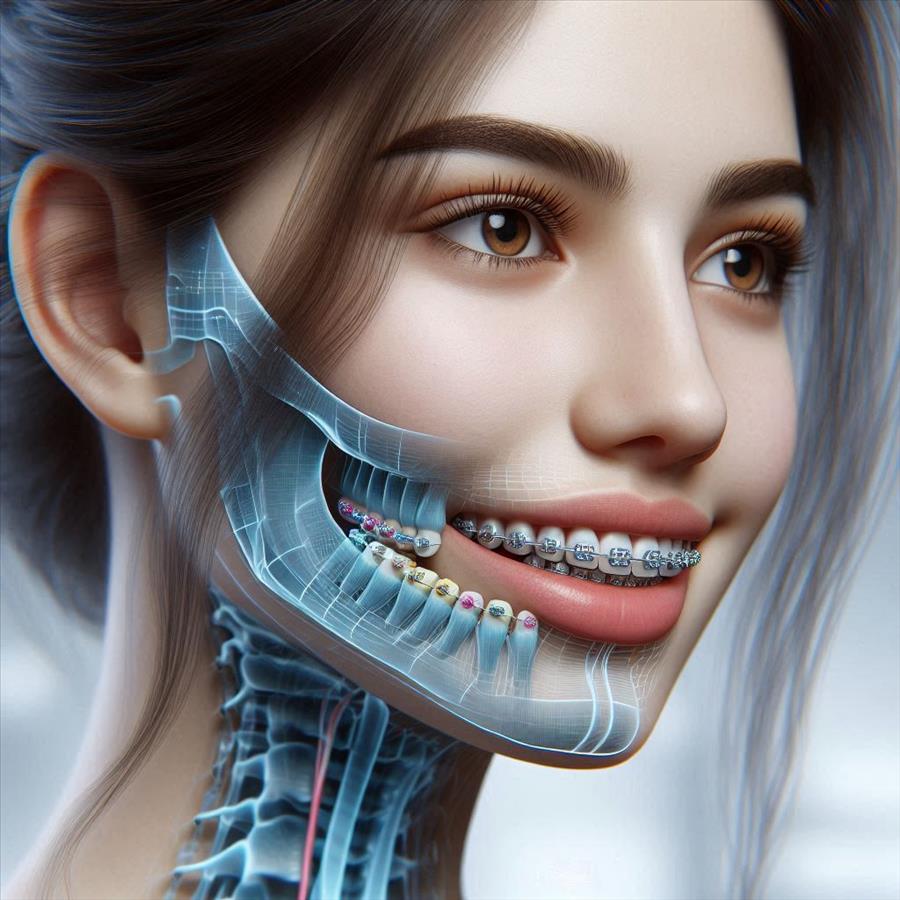
An expert touch for a healthy dental alignment and a happy smile. Schedule your appointment at Akçadent Dental Clinic to plan your orthodontic journey.
Orthodontics is a specialized branch of dentistry that focuses on the diagnosis and treatment of dental and jaw misalignments, crowding, and closure disorders. This treatment method, which ensures that the teeth are placed in the correct position on the jawbone, not only addresses aesthetic concerns but also helps achieve the most ideal level of oral and dental functions. Because crowded or misplaced teeth are more difficult to clean, this condition can pave the way for gum diseases and decay in the long term. Therefore, orthodontic processes play a critical role in preserving long-term oral health.
Thanks to advancing modern dental technologies, orthodontic procedures can now be applied comfortably to patients of all ages. The primary benefits of these processes, carried out with precise planning, include:
As Akçadent Dental Clinic, we plan our orthodontic processes with a completely personalized approach tailored to the anatomical needs of our patients. In the first stage, the current jaw and dental structure is examined through detailed clinical examinations and digital X-ray analyses. Following these evaluations, the most appropriate treatment method is determined based on the patient's age, expectations, and the severity of the malocclusion. The treatment begins by selecting from traditional metal brackets, aesthetic porcelain (sapphire) brackets that are less noticeable, or modern alternatives like clear aligners (wireless orthodontics). During regular control sessions, the targeted movement of the teeth is closely monitored by our specialist dentist.
A successful orthodontic process that finishes within the planned timeframe depends as much on the patient's compliance as it does on the dentist's control. To prevent damage to brackets and wires, and to avoid permanent stains on tooth surfaces, certain rules must be approached with sensitivity throughout the treatment. It is especially important to avoid the consumption of very hard, shelled, and sticky foods during this period. Important Medical Warning: Since braces create suitable areas for bacterial plaque accumulation, thorough cleaning must be carried out after every meal using orthodontic interdental brushes, and routine control appointments scheduled by the dentist must strictly not be neglected.
Thanks to advancements in digital dentistry, clear aligners now offer a success rate as high as traditional braces for treating many orthodontic issues. Frequently preferred for their aesthetic invisibility and removability during meals, they can address a wide range of concerns from mild crowding to advanced misalignment. However, a professional examination is required to determine which method best suits your jaw structure and dental condition.
When braces or clear aligners are first placed in the mouth, a very mild, temporary change in speech or tone may occur as the tongue and lips adapt to these new structures. Generally, intraoral tissues fully adapt to the brackets within a few days to a week, returning speech function to its normal course. Practicing reading aloud frequently during this transition period will significantly speed up the adaptation process.
The process of bonding brackets to your teeth is completely painless. However, you may feel mild pressure and sensitivity for the first few days as your teeth begin to move into their correct positions.
Yes, orthodontic treatment can be successfully applied at any age, provided that the teeth and supporting bone structures are healthy. Modern options like clear aligners or tooth-colored ceramic brackets are highly popular among adult patients.
You should avoid sticky, hard, or crunchy foods that could damage the brackets. Hard fruits and vegetables like apples or carrots should be cut into small pieces rather than bitten into directly, and chewed using your back teeth.
Teeth have a natural tendency to drift back toward their original positions after treatment. To preserve your new alignment and prevent shifting, a custom invisible retention wire (retainer) is placed behind your teeth once the braces come off.